
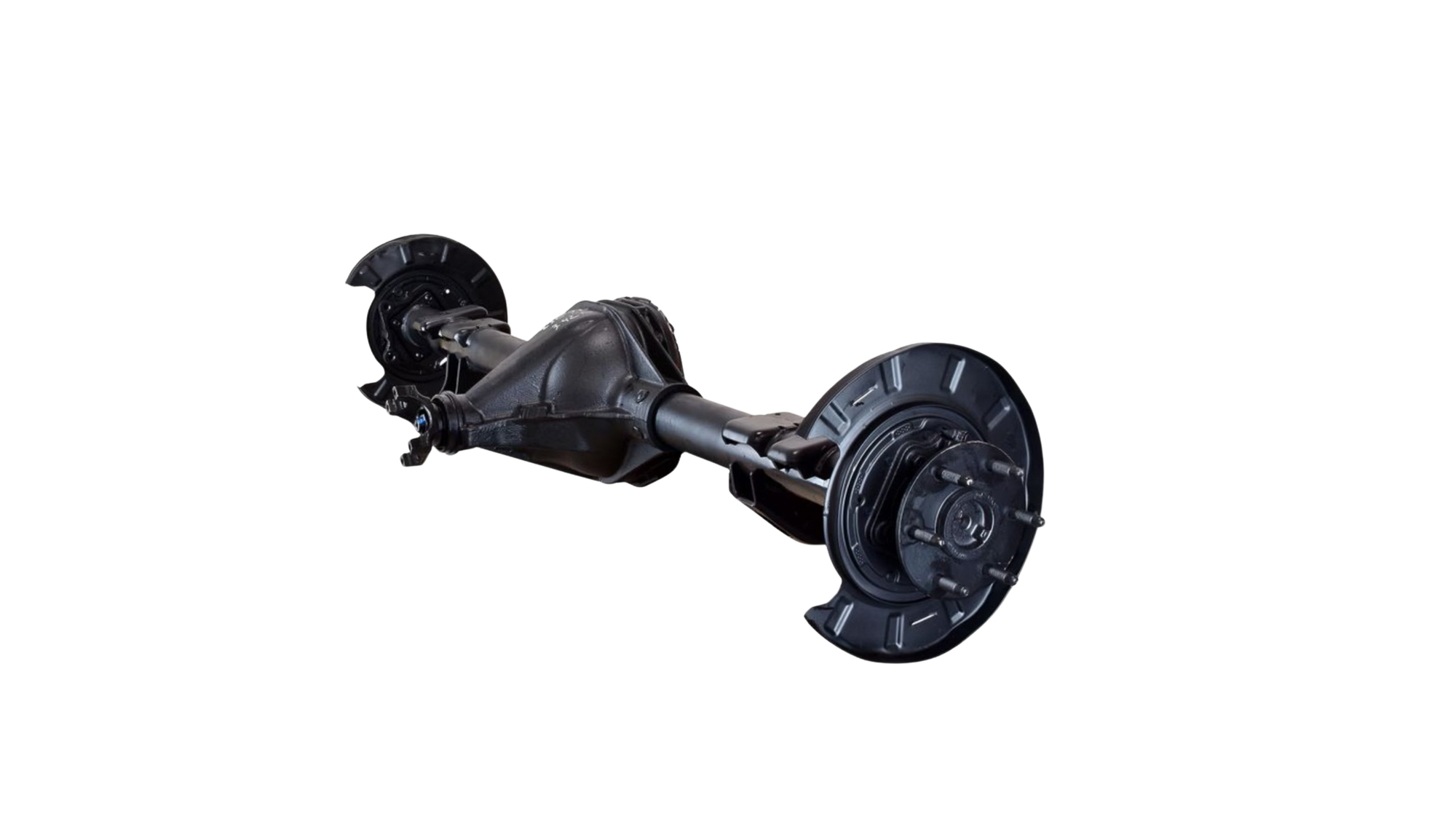
If you have ever searched “what is a differential on a car?” After hearing strange noises from your vehicle, you are not alone. Many drivers are unfamiliar with how the differential works until something starts going wrong. The differential is one of the most important parts of your drivetrain, helping your vehicle turn smoothly and deliver power to the wheels properly. When problems with a car differential begin, they can lead to expensive repairs if ignored. The good news is that understanding the warning signs and knowing your replacement options can save you time, stress, and money.
online search tool for used car differential replacement parts

What Is a Differential on a Car?

A differential is a drivetrain component that allows your wheels to rotate at different speeds while turning. This may not sound important at first, but it plays a major role in how your vehicle handles corners and distributes power. When a vehicle turns, the outside wheel has to travel farther than the inside wheel. “Without a car differential” both wheels would spin at the same speed, causing tire wear, handling issues, and drivetrain strain.

Most vehicles have one differential, while some trucks and four-wheel-drive vehicles may have both front and rear differentials. In simple terms, the differential helps your vehicle:

=

Turn smoothly

=

Improve traction

=

Reduce tire wear

=

Transfer engine power properly

=

Improve overall drivetrain performance

Without a properly functioning auto differential, your vehicle would struggle during turns and experience unnecessary stress on other drivetrain parts.

Types of Car Differentials

There are several different types of differentials used in modern vehicles. Each serves a slightly different purpose depending on the vehicle’s drivetrain setup.

Open Differential

This is the most common type found in standard passenger vehicles. It allows wheels to rotate independently during turns but may struggle with traction on slippery surfaces.

Limited-Slip Differential

A limited-slip differential helps improve traction by sending power to the wheel with better grip. These are common in trucks, performance vehicles, and some SUVs.

Locking Differential

Locking differentials force both wheels to spin together equally. They are often found in off-road vehicles designed for rough terrain.

Electronic Differential

Some modern differential cars use electronic systems that automatically adjust power distribution between wheels for improved handling and traction.

Signs Your Differential May Be Failing

Like any drivetrain component, a car differential can wear out over time. Ignoring early warning signs can lead to larger and more expensive repairs later on. Here are some common signs of differential problems:.

=

Whining or Grinding Noises:

A failing auto differential often produces whining, humming, or grinding sounds, especially while accelerating or turning.
=

Vibrations While Driving:

Damaged gears or worn bearings inside the differential can cause noticeable vibrations through the vehicle.
=

Fluid Leaks:

Differential fluid helps lubricate internal gears. If you notice leaks underneath your vehicle, low fluid levels can quickly lead to damage.
=

Tire Wear:

Uneven tire wear may point to issues with the differential or drivetrain alignment.
=

Difficulty Handling Turns:

If your vehicle feels unstable or jerky while turning, the differential may not be distributing wheel speed correctly.

Can You Drive With a Bad Differential?

Technically, some drivers continue operating vehicles with differential problems, but it is not recommended. A damaged car differential can worsen quickly and potentially affect the transmission, axles, and other drivetrain components.

Driving with a failing differential may lead to::

Q

Complete drivetrain failure

Q

Unsafe handling conditions

Q

Increased repair costs

Q

Additional damage to surrounding components

If you suspect differential issues, it is best to have the vehicle inspected as soon as possible.

New vs. Used Differential Replacement

Replacing a differential can be expensive, especially when purchasing brand-new OEM parts. That is why many drivers choose used auto parts instead.

Used differentials offer several benefits:

A

Lower repair costs

A

OEM factory parts

A

Easier availability for older vehicles

A

Environmentally friendly option

A

Faster access to replacement parts

At Sir Car Part, we help customers locate quality drivetrain components, including used transmissions and differentials, at affordable prices. Need a replacement car differential or other drivetrain part? Use our online part locator to quickly find reliable used auto parts for your vehicle.

What Causes Differential Failure?

Several issues can lead to differential damage over time. Understanding these causes can help you prevent future problems.

A

Lack of Maintenance:

Old or contaminated differential fluid increases friction and heat inside the gears.
A

Heavy Towing or Off-Road Driving:

Excessive strain on the drivetrain can wear down gears and bearings faster.
A

Worn Bearings or Gears:

Over time, internal components naturally wear from constant use.
A

Water Contamination:

Driving through deep water or flooded roads can contaminate differential fluid and damage internal parts.
Routine maintenance and inspections can help extend the life of your differential and other drivetrain components.

Get Your Car Back on the Road With Sir Car Part

When differential problems appear, acting early can help you avoid larger repair bills and unnecessary stress. Choosing quality used auto parts is often a smart way to save money while still getting dependable performance. Looking for a replacement auto differential or other drivetrain component? Sir Car Part makes it easy to search available inventory online and find the part your vehicle needs today.

Easy 3 Step Process

Complete the form

Receive Price Quotes

Choose & Purchase