
What Is a Differential on a Car?
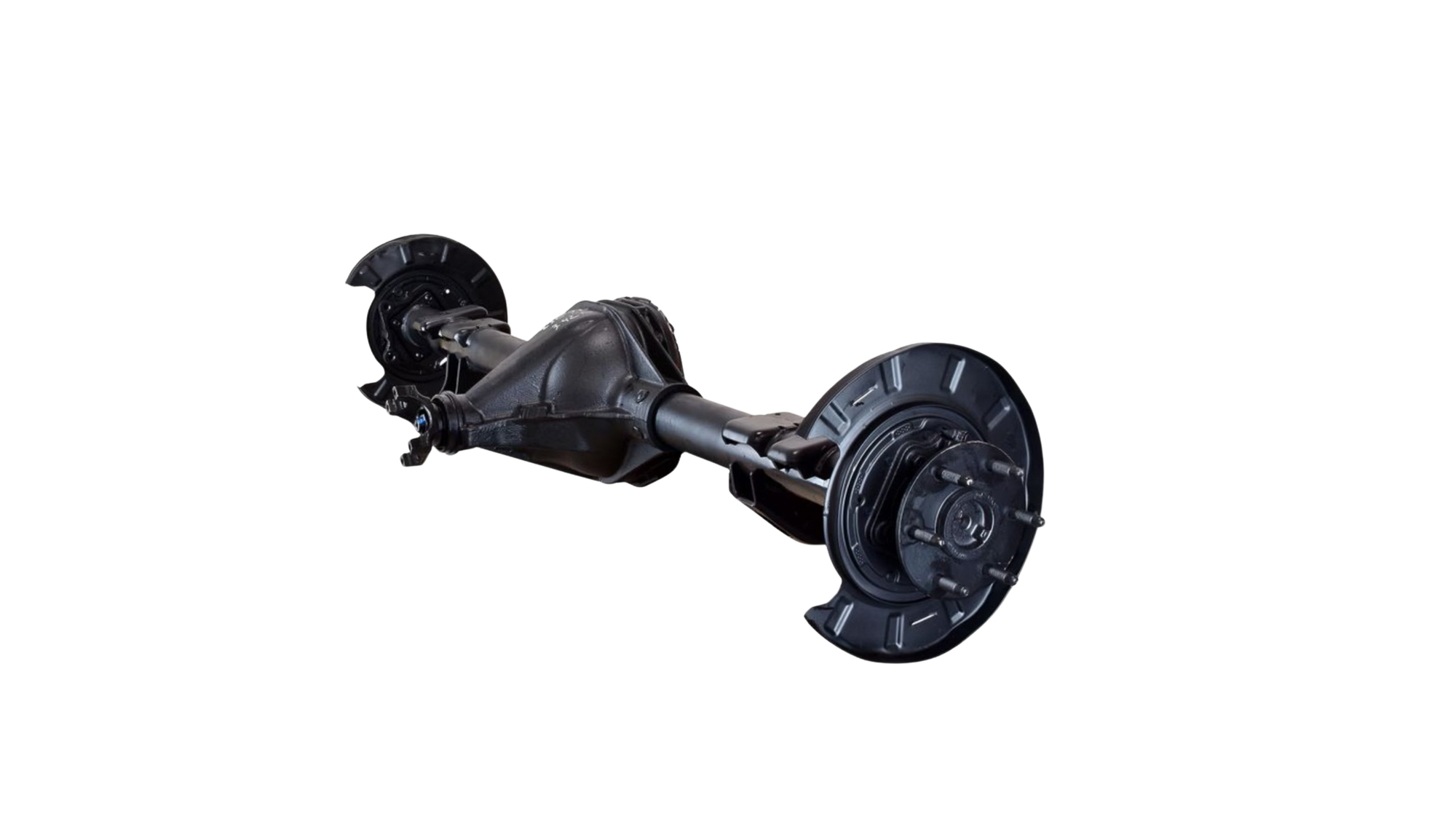
If you’ve ever wondered, “What is a differential on a car?” you’re not alone. A car differential is a key component of your drivetrain that allows your wheels to rotate at different speeds. This is especially important when turning, since the inside and outside wheels travel different distances.
Without a properly functioning differential in a car, you’d experience:
Tire skipping or dragging during turns
Increased wear on tires and drivetrain components
Reduced control and stability
How Does an Auto Differential Work?
The auto differential works by distributing power from the engine to the wheels while allowing them to rotate independently. Inside the differential, a system of gears manages torque and speed differences between the wheels. When everything is working correctly, you won’t notice it at all. But when it starts to fail, the signs become hard to ignore.
Top Symptoms of Car Differential Failure
Catching problems early can save you from more expensive repairs down the road. Here are the most common signs your car’s differential may be failing.
1. Whining or Grinding Noises
- A high-pitched whine when accelerating
- Grinding when turning
- Clunking when shifting gears
These noises usually point to worn gears or low lubrication.
2. Difficulty Turning
3. Vibrations While Driving
4. Leaking Differential Fluid
What Causes Differential Failure?
Understanding the cause helps you decide the best fix.
Lack of Maintenance
High Mileage Wear and Tear
Driving Conditions
Repair vs Replacement: What’s the Right Move?
Once you’ve confirmed the issue, you’ll need to decide how to fix it.
When Repair Makes Sense
- Minor gear wear
- Seal or fluid leaks
- Early-stage issues
When Replacement Is the Better Option
- Severe internal damage
- Multiple worn components
- High labor costs for rebuilding
Why a Used Differential Can Be a Smart Choice
A brand-new differential can be expensive, especially when you factor in labor. That’s why many drivers turn to used parts.
A quality used differential car part offers:
Significant cost savings
OEM compatibility
Faster installation
Find the Right Differential Faster
Tracking down the right part doesn’t have to be complicated. Instead of guessing or calling multiple shops, you can search for a compatible auto differential in minutes. Whether you need a full replacement or specific components, having access to a wide inventory makes all the difference.
How to Prevent Future Differential Problems
Once your differential is repaired or replaced, a few simple habits can extend its lifespan.
Stay on Top of Fluid Changes
Listen to Your Vehicle
Avoid Excessive Strain
Don’t Ignore the Signs
Your car’s differential might not be something you think about often, but when it fails, it affects everything from handling to safety. Recognizing the symptoms early and understanding your repair options puts you in control. Whether you choose to repair or replace, the goal is the same: get your vehicle back to running smoothly and reliably.
Start Your Search Today
When it’s time to replace your differential, you want a solution that’s fast, affordable, and reliable. Find the right car differential for your vehicle without the hassle, and get back on the road with confidence.
Recent Comments