
Your vehicle's drivetrain depends on several components working together, but one part that's often overlooked is the rear axle. Whether you drive a rear-wheel drive truck, an all-wheel drive SUV, or a four-wheel drive vehicle, the rear axle plays a major role in transferring power to the wheels and keeping your vehicle moving safely.
When a rear axle begins to fail, the warning signs can start small. A strange noise, a vibration, or uneven tire wear may not seem like a big deal at first, but ignoring these symptoms can lead to much more expensive repairs down the road. The good news is that replacing a damaged axle doesn't always mean paying dealership prices. At Sir Car Part, we help drivers find affordable, quality-tested used axles, complete drivetrain components, and other auto parts through our nationwide online part locator.
What Is a Rear Axle?
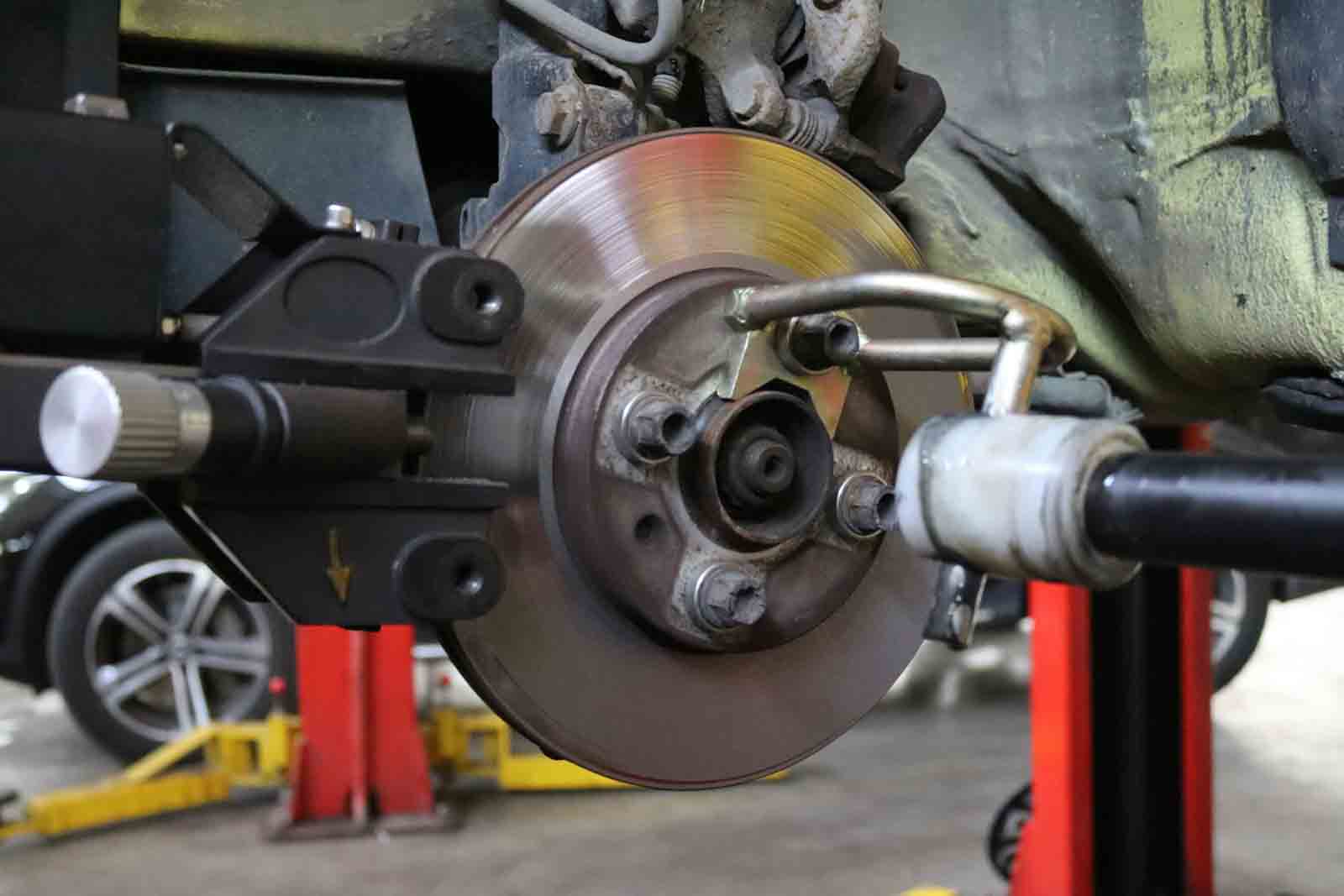
The rear axle is a shaft that connects the differential to the rear wheels, allowing engine power to reach the tires. It supports the weight of the vehicle while helping the wheels rotate and maintain traction. Vehicles with front-wheel drive rely primarily on the front axle, while rear-wheel drive vehicles depend heavily on the rear axle for propulsion. All-wheel drive and four-wheel drive vehicles use both front and rear axles to distribute power where it's needed.
Depending on your vehicle, the rear axle may also include bearings, seals, hubs, and other drivetrain components. In many cases, replacing a complete rear axle assembly is more efficient than replacing individual parts, especially if multiple components have worn out.
Why the Rear Axle Matters
Your rear axle does much more than simply connect your wheels. It helps your vehicle:
- Transfer engine power to the drive wheels
- Support the vehicle's weight
- Maintain stability while driving
- Improve traction during acceleration
- Handle turns safely
Without a properly functioning rear axle, the rest of the drivetrain has to work harder, increasing wear on surrounding components.
Common Signs of Rear Axle Problems
Axle damage doesn't usually happen overnight. Knowing the warning signs can help you address the problem before it becomes a major repair.
- Unusual Noises: Clicking, clunking, humming, or grinding sounds coming from underneath the vehicle often point to axle or differential problems.
- Vehicle Vibrations: If your steering wheel, floorboard, or entire vehicle vibrates while driving, a damaged axle may be the cause.
- Leaking Axle Seals: Axle seals keep lubricating fluid where it belongs. When they fail, fluid leaks can damage bearings and gears if left untreated.
- Uneven Tire Wear: A worn rear axle or damaged bearings can affect wheel alignment, causing tires to wear unevenly.
- Difficulty Handling: If your vehicle feels unstable while accelerating or turning, it's important to have the drivetrain inspected as soon as possible.
Catching small issues early often saves drivers hundreds or even thousands of dollars in repairs.
What Causes Rear Axle Failure?
Several factors can contribute to rear axle damage over time.
- Normal Wear and Tear: Like most drivetrain components, axles naturally wear after years of driving.
- Heavy Loads: Frequent towing or hauling heavy cargo places additional stress on the rear axle.
- Accidents: Even minor collisions can bend or damage axle components without obvious exterior damage.
- Lack of Maintenance: Low lubrication, damaged seals, or neglected drivetrain service can shorten the lifespan of both front and rear axles.
- Corrosion: Rust and corrosion weaken axle components, especially in areas where vehicles are regularly exposed to moisture or road salt.
Should You Replace the Entire Rear Axle Assembly?
Sometimes replacing individual components makes sense. Other times, installing a complete rear axle assembly is the more practical and cost-effective solution. A complete assembly can save time by including multiple preassembled components that work together. It also reduces the risk of replacing one worn part while leaving another close to failure.
If your mechanic recommends replacing the entire assembly, don't assume you need a brand-new part. Quality used axles often provide the same reliable performance at a much lower cost. Looking for a replacement rear axle or complete rear axle assembly? Our online part locator helps you quickly search nationwide inventory for quality used auto parts that fit your vehicle.
Why Buying Used Axles Makes Sense
Many drivers automatically assume they need brand-new replacement parts, but that's not always necessary. Purchasing used axles offers several advantages:
- Lower repair costs
- OEM factory components
- Availability for older vehicles
- Environmentally friendly alternative
- Faster access to hard-to-find parts
At Sir Car Part, we connect drivers with quality used drivetrain components sourced from trusted suppliers across the country. Whether you're replacing a front axle, rear axle, or another drivetrain component, buying used can significantly reduce repair costs without sacrificing reliability.
How to Choose the Right Replacement Axle
Before ordering replacement auto parts, make sure you know:
- Your vehicle's year, make, and model
- Drivetrain configuration
- VIN number, when possible
- Whether you need the front axle or rear axle
- If a complete rear axle assembly is recommended
Choosing the correct part the first time helps avoid delays and additional repair expenses. Our online part locator makes it easier to find compatible parts quickly without spending hours searching multiple websites or salvage yards.
Get Back on the Road
A failing rear axle is not something to ignore. What starts as a small vibration or unusual noise can quickly become a costly repair if left untreated. Need a rear axle, front axle, or complete rear axle assembly? Sir Car Part makes it easy to search our nationwide inventory of quality used auto parts and find the replacement you need today.
Recent Comments